

Computing education
with real-world purpose.
The School of Computer Science and Engineering brings together strong academic foundations, practical learning, research and industry engagement to prepare students for a fast-changing technological world.
A learning environment built for the way computing evolves.
Established in 1997, the School offers undergraduate, postgraduate and doctoral education across Computer Science, Information Technology and related areas of computing.
Its academic approach connects fundamental concepts with contemporary technologies, analytical problem-solving, product thinking and practical application. Students learn in an environment supported by experienced faculty, computing infrastructure, research activity and engagement with industry.
The aim is not only to prepare graduates for professional careers, but also to nurture curiosity, responsible innovation, ethical practice and the confidence to solve meaningful problems.
A clear academic purpose for a changing technological world.
The School’s vision and mission guide its teaching, research, industry engagement, professional ethics and responsibility towards society.
To produce quality engineering graduates by imparting quality education and promoting research in computer science and information technology, enabling them to respond swiftly to the challenges of the 21st century.
- 01
Provide quality professional education in computer science and information technology so that students can apply their learning to solve real-world problems.
- 02
Provide platforms that help students develop event-management and entrepreneurial skills.
- 03
Create an environment that nurtures social responsibility and the values of professional ethics.
- 04
Conduct advanced and application-oriented research in computer and information science, involving students and encouraging continuous learning.
- 05
Establish strong and meaningful relationships with leading industries across the world.
Academic depth connected with practice, research and careers.
The following strengths are retained from the School’s existing official About page and presented in a clearer, more useful format.
Frontier computing education
Teaching, R&D and industrial consultancy cover Computer Science, Communication Engineering, Systems Engineering and Information Technology.
Strong conceptual foundations
Qualified faculty members give careful attention to fundamental concepts so that students develop a dependable academic base.
Current technologies and product thinking
Students develop analytical problem-solving, technical implementation and product-design skills relevant to professional careers.
Theory connected with application
The pedagogy helps students move from classroom concepts to laboratories, projects, research and practical implementation.
Industry-aligned curriculum
Industry engagement supports syllabus updates, specialised electives, internships and opportunities for skill development.
Centres of Excellence
Industry-supported centres strengthen specialised training, research exposure and engagement with contemporary platforms.
Career augmentation
Value-added training and career-preparation initiatives help students respond to evolving expectations from employers.
Flexible academic choices
Undergraduate curricula combine core subjects with departmental, institute, open and industry elective categories.
Learning and library infrastructure
Air-conditioned classrooms, computing laboratories, conference and reading spaces, library collections, journals, e-resources and digital databases support academic work across disciplines.
Knowledge that moves from the classroom into the world.
Strong foundations
Fundamental concepts are taught carefully so students can understand, adapt and build confidently.
Applied learning
Laboratories, projects and problem-based learning connect theory with practical implementation.
Industry relevance
Curriculum enrichment, electives, internships and collaboration expose students to professional practice.
Research mindset
Students and faculty explore emerging technologies through research, innovation and consultancy.
From fundamentals to professional confidence.
The School’s pedagogy is structured to help students understand concepts, practise them, apply them and grow through collaboration and experience.
-
01
Understand
Build a dependable base in algorithms, systems, mathematics, programming and engineering principles.
-
02
Experiment
Use laboratories, assignments and collaborative work to turn concepts into working solutions.
-
03
Create
Develop projects and products that require design thinking, analysis and disciplined implementation.
-
04
Connect
Learn through industry exposure, internships, expert interaction, student communities and research groups.
-
05
Progress
Move towards careers, entrepreneurship, higher study and research with technical and professional confidence.
Multiple pathways. One connected school.
Academic programmes, research, laboratories and professional engagement are designed as parts of the same learning journey.
Undergraduate, postgraduate and doctoral programmes
Explore academic pathways across Computer Science, Information Technology and specialised computing areas.
Explore programmes → ResearchResearch groups and emerging areas of computing
Discover research in intelligent systems, data science, networks, distributed computing and software systems.
Discover research → InfrastructureAcademic and industry-supported laboratories
Learn in computing environments supporting programming, networks, data, IoT, systems and project work.
View laboratories →Spaces and systems that support serious learning.
The School’s facilities include air-conditioned classrooms, computing laboratories, conference and reading spaces, networked learning resources and access to print and digital library collections.
Computing laboratories for core courses, specialised areas, research and project development.
Connected infrastructure supported by high-speed wired and wireless networks.
Learning resources through school and central library systems, journals and digital databases.
Industry-supported facilities that encourage exposure to contemporary tools and practices.
Technical excellence should also serve people and society.
The School encourages students to approach computing with responsibility, professional ethics, creativity and awareness of its wider impact.
Innovation
Question established approaches and create useful, dependable solutions.
Integrity
Work with honesty, discipline and respect for professional responsibility.
Inclusion
Build learning communities and technologies that recognise diverse needs.
Impact
Use knowledge to address real problems and improve lives responsibly.
Academic leadership guiding the School’s teaching and research.
Meet the academic and research leaders associated with the School of Computer Science and Engineering.

Prof. Biswajit Sahoo
Professor & Director

Prof. Bhabani Shankar Prasad Mishra
Dean
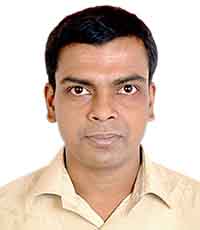
Dr. Amulya Ratna Swain
Dean I

Arup Abhinna Acharya
Dean II

Dr. Ajay Kumar Jena
Associate Dean
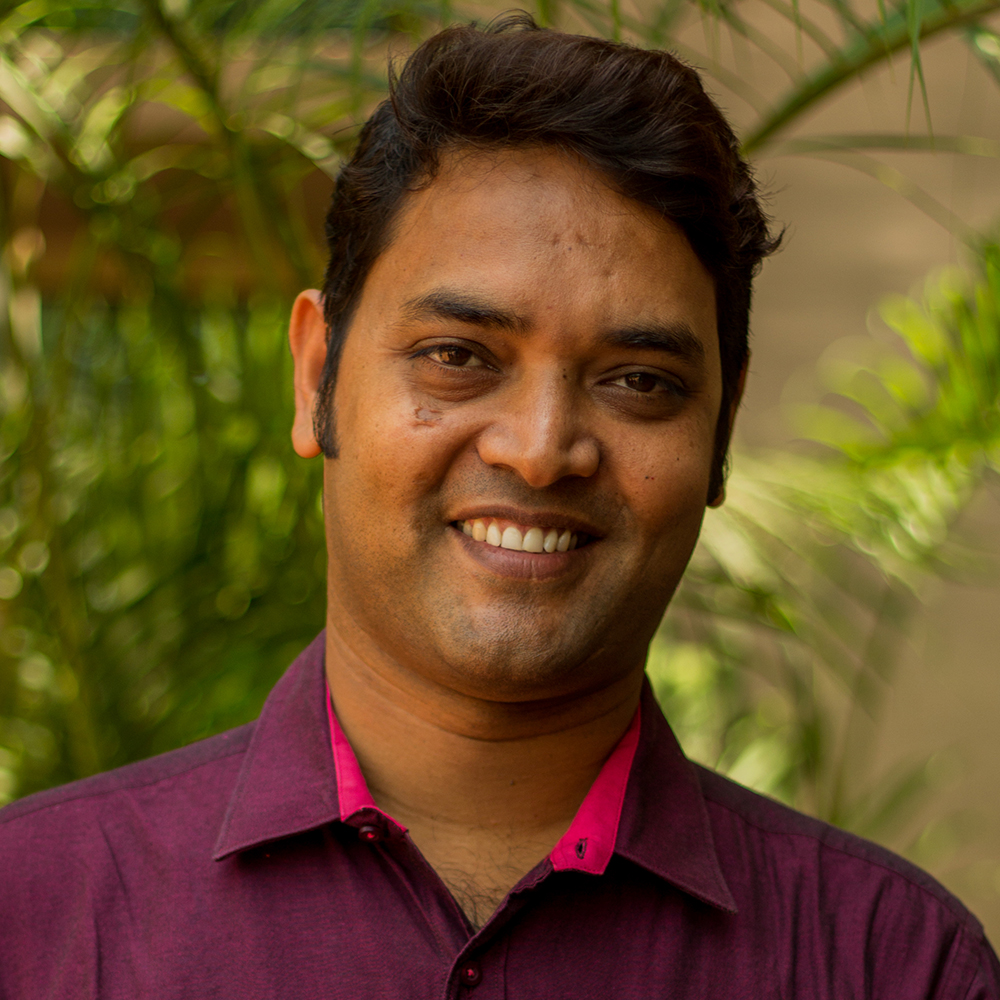
Dr. Chittaranjan Pradhan
Additional Dean (Student Services)
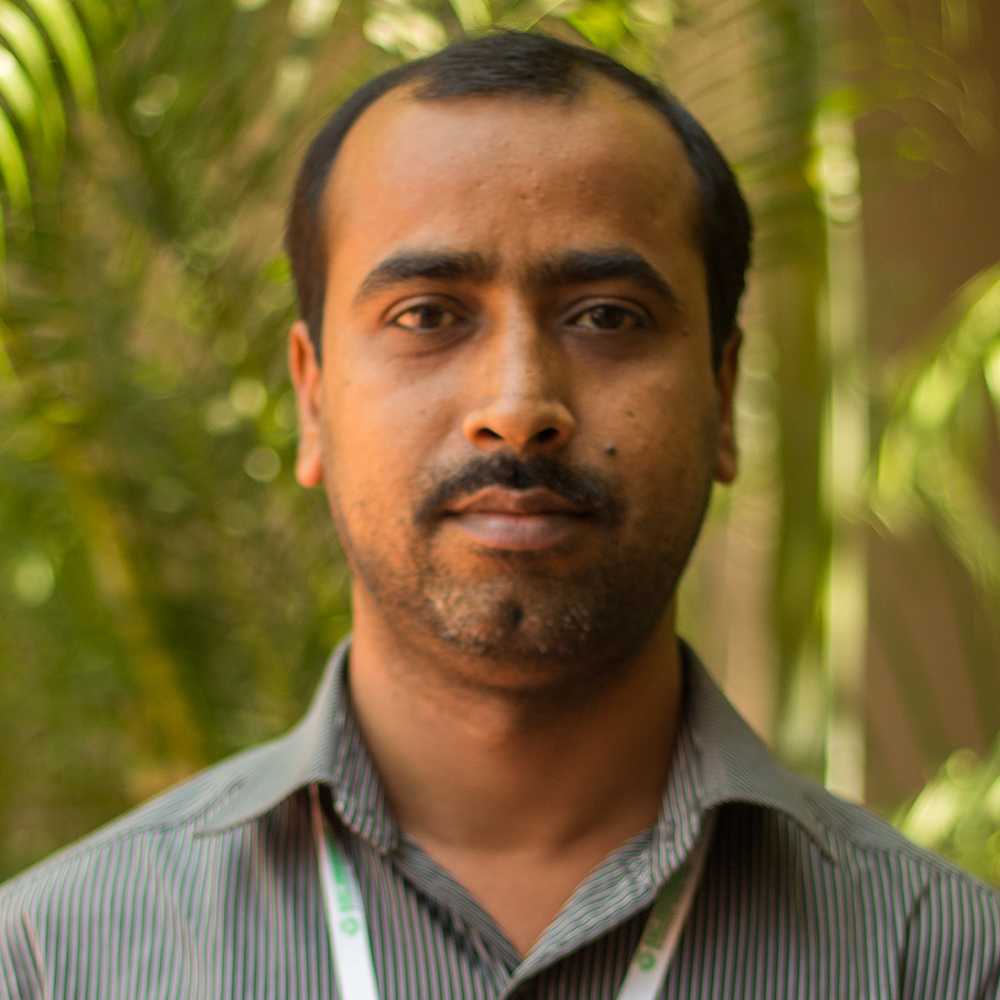
Dr. Jagannath Singh
Associate Dean

Dr. Aleena Swetapadma
Associate Dean, Research (PG & Research Publication)

Dr. Mohit Ranjan Panda
Associate Dean, IQAC
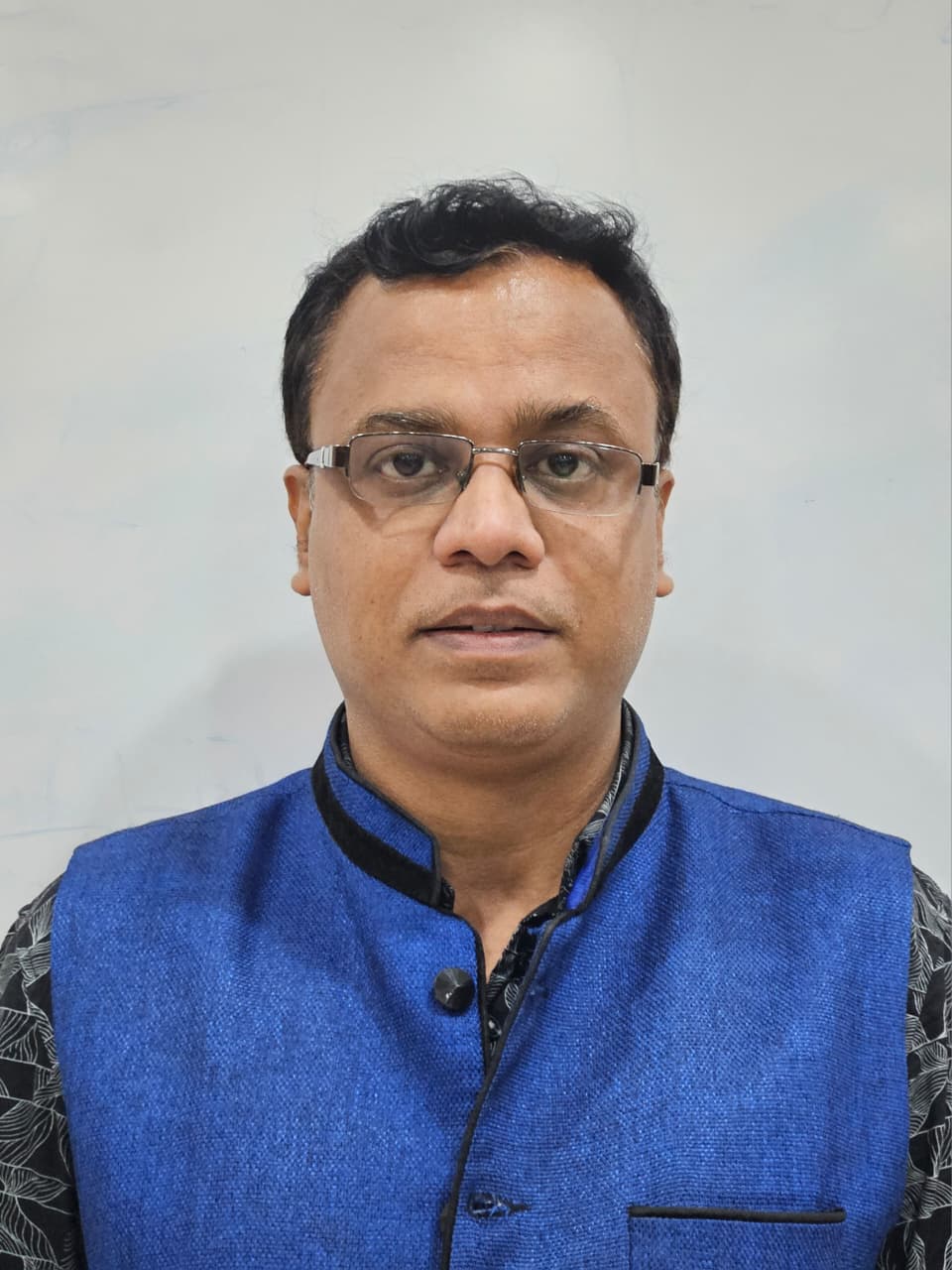
Dr. Anjan Bandopadhyaya
Associate Dean , K1000 (Student Research)
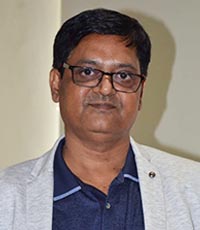
Dr. Suresh Chandra Satapathy
Director General, University Level Research Development and Innovation (ULRDI)

Dr. Hrudaya Kumar Tripathy
Chairperson & Dean, Doctoral Research
Find the pathway that matches your ambition.
Explore our programmes, research, people and opportunities at the School of Computer Science and Engineering.